Waar te zien
Waar u de Buffalo Thorn in Zuid-Afrika ziet
Buffalo Thorn: door verhuurders waargenomen in of bij Kruger National Park, Hluhluwe-Imfolozi Park and Sabi Sand Game Reserve.
Ziziphus mucronata
Een reis plannen
Wanneer en waar u de Buffalo Thorn vindt
Buffalo Thorn: door verhuurders waargenomen in of bij Kruger National Park, Hluhluwe-Imfolozi Park and Sabi Sand Game Reserve.
Soort
Ziziphus mucronata
Waarnemingen
5,412
iNaturalist-waarnemingen
Elke boeking op Spekboom steunt natuurbehoud.
Vragen van reizigers
Een waarneming betekent dat een verhuurder de Buffalo Thorn op of bij het terrein heeft gezien. Het is nooit een garantie dat u de soort ziet.
Which parks and reserves are best for the Buffalo Thorn in South Africa?
Hosts on Spekboom have recorded the Buffalo Thorn at stays in or beside Kruger National Park, Hluhluwe-Imfolozi Park, Sabi Sand Game Reserve, Welgevonden Game Reserve, Harold Johnson Nature Reserve and Ndumo Game Reserve and other reserves. A record means a host has seen it on the property or nearby, which makes these the places to base yourself; it is never a guarantee of a sighting on any given day.
Where can you see the Buffalo Thorn in South Africa?
The Buffalo Thorn is most recorded in Gauteng (40% of records), Limpopo (16% of records), KwaZulu-Natal (12% of records), based on 5,412 iNaturalist observations. 16 places to stay on Spekboom in South Africa have recorded the Buffalo Thorn on site or nearby.
When is the best time to see the Buffalo Thorn?
The Buffalo Thorn is recorded throughout the year, so no month is the wrong month to look for it. For the parks where hosts record it most, these are the best seasons they give. Kruger National Park: Apr-Sep; Hluhluwe-Imfolozi Park: year-round, dry season May-Sep; Sabi Sand Game Reserve: year-round, dry season May-Sep optimal; Welgevonden Game Reserve: May-Sep, dry season. In the dry months animals concentrate at water and the grass is short.
What is the Buffalo Thorn?
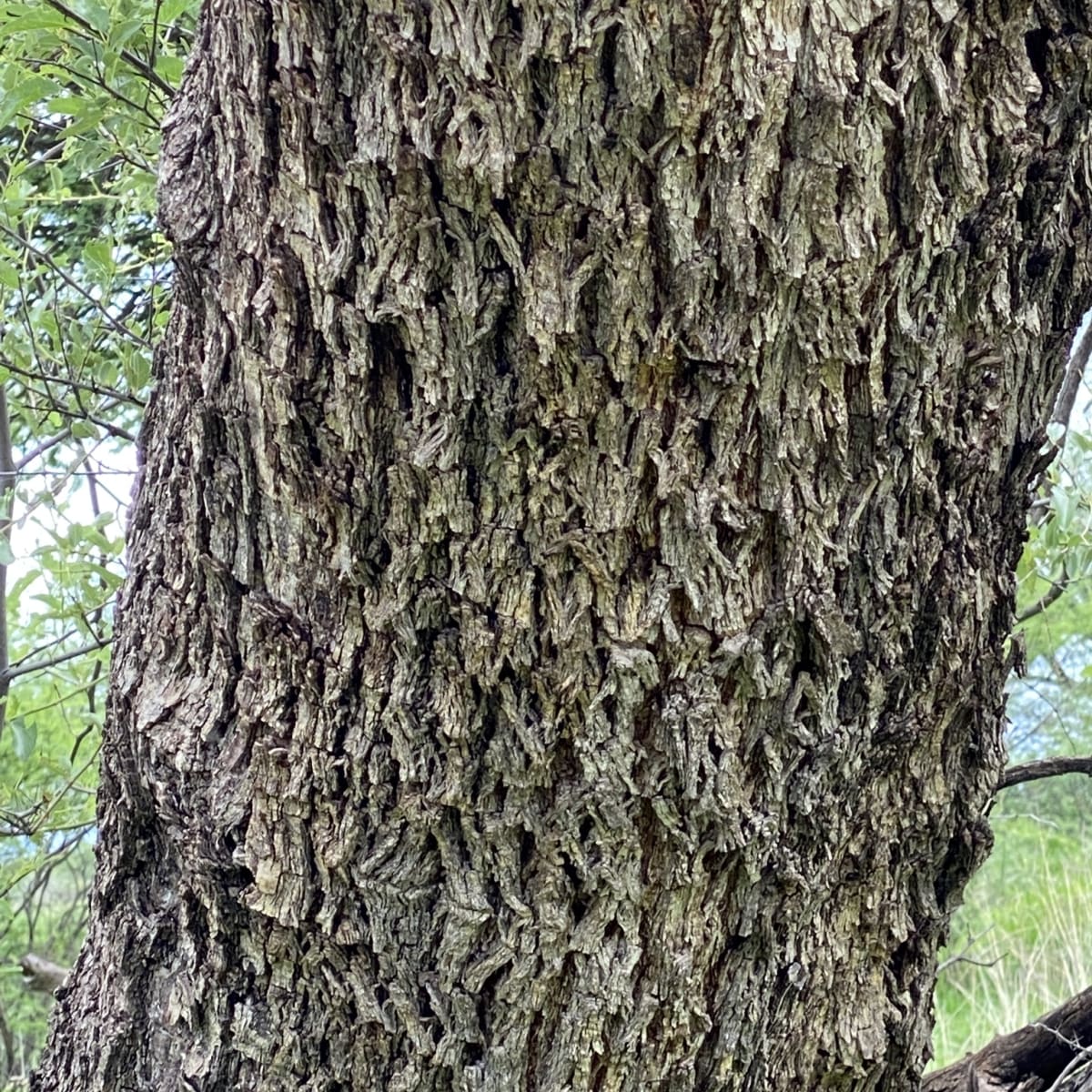
Ziziphus mucronata, known as the buffalo thorn, is a species of tree in the family Rhamnaceae, native to southern Africa. It is deciduous and may grow up to 17 metres tall. It can survive in a variety of soil types, occurring in many habitats, mostly open woodlands, often on soils deposited by rivers, and grows frequently on termite mounds.
Verblijven die iets teruggeven
Waar te verblijven voor een kans om de Buffalo Thorn te zien
Elk verblijf op de pagina over de Buffalo Thorn vermeldt de soorten die de verhuurder op of bij het terrein heeft vastgelegd. Een vastlegging is een waarneming, nooit een belofte.
Bekijk waar te verblijven