Northern Cape
Ai-Ais/Richtersveld
Zelf rijden
Verblijven in Northern CapeWaar te zien
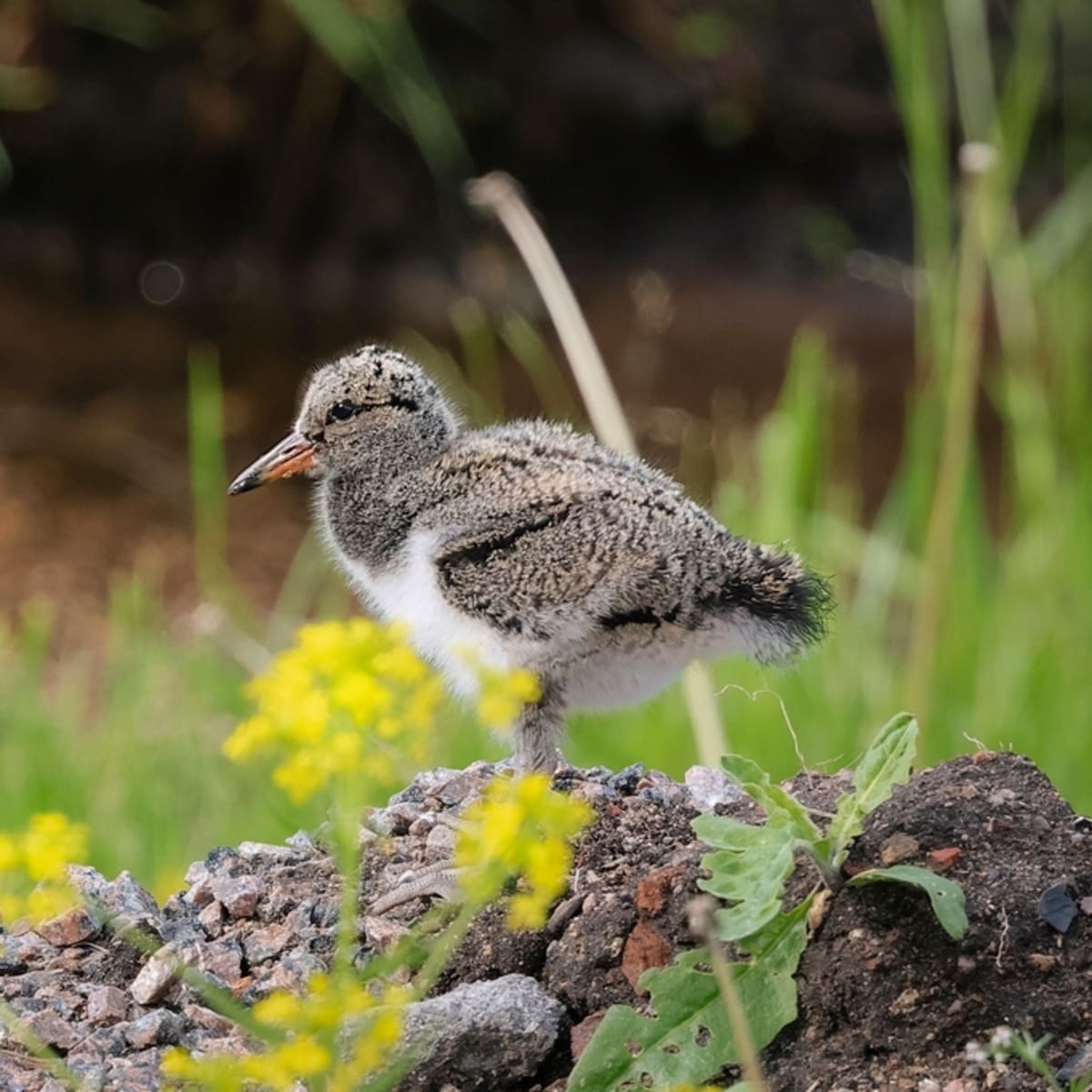
Eurasian Oystercatcher: door verhuurders waargenomen in of bij Ai-Ais/Richtersveld Transfrontier Park, De Mond Nature Reserve and iSimangaliso Wetland Park.
Haematopus ostralegus · Near Threatened
Een reis plannen
Eurasian Oystercatcher: door verhuurders waargenomen in of bij Ai-Ais/Richtersveld Transfrontier Park, De Mond Nature Reserve and iSimangaliso Wetland Park.
Ai-Ais/Richtersveld

De Mond · Keurbooms River · West Coast

iSimangaliso Wetland
Zelf rijden
Uw eigen auto en tempo, op de wegen van het park.
Waar verhuurders de soort waarnemen
Rode Lijst van de IUCN
Near Threatened
Soort
Haematopus ostralegus
Waarnemingen
91
iNaturalist-waarnemingen
Elke boeking op Spekboom steunt natuurbehoud.
Een waarneming betekent dat een verhuurder de Eurasian Oystercatcher op of bij het terrein heeft gezien. Het is nooit een garantie dat u de soort ziet.
Hosts on Spekboom have recorded the Eurasian Oystercatcher at stays in or beside Ai-Ais/Richtersveld Transfrontier Park, De Mond Nature Reserve, iSimangaliso Wetland Park, Keurbooms River Nature Reserve and West Coast National Park. A record means a host has seen it on the property or nearby, which makes these the places to base yourself; it is never a guarantee of a sighting on any given day.
The Eurasian Oystercatcher is most recorded in Western Cape (67% of records), KwaZulu-Natal (30% of records), based on 91 iNaturalist observations. 7 places to stay on Spekboom in South Africa have recorded the Eurasian Oystercatcher on site or nearby.
Sightings of the Eurasian Oystercatcher peak from Dec to Jan, based on 91 iNaturalist records. You may still see it outside those months, sightings are just less frequent.
The Eurasian Oystercatcher (Haematopus ostralegus) is listed as Near Threatened on the IUCN Red List.
The Eurasian oystercatcher (Haematopus ostralegus) also known as the common pied oystercatcher, or palaearctic oystercatcher, or (in Europe) just oystercatcher, is a wader in the oystercatcher bird family Haematopodidae. It is the most widespread of the oystercatchers, with three races breeding in western Europe, central Eurasia, Kamchatka, China, and the western coast of Korea.
Verblijven die iets teruggeven
Elk verblijf op de pagina over de Eurasian Oystercatcher vermeldt de soorten die de verhuurder op of bij het terrein heeft vastgelegd. Een vastlegging is een waarneming, nooit een belofte.
Bekijk waar te verblijven