Waar te zien
Waar u de Black-tailed Godwit in Zuid-Afrika ziet
Black-tailed Godwit: door verhuurders waargenomen in of bij West Coast National Park.
Limosa limosa · Near Threatened
Een reis plannen
Wanneer en waar u de Black-tailed Godwit vindt
Black-tailed Godwit: door verhuurders waargenomen in of bij West Coast National Park.
Beste uren van de dag
- De eerste uren na zonsopgang, en de late middag. Vogels roepen en eten het meest in de koelte.
- Rond het middaguur. Rustiger, vooral in de zomerhitte.
Manieren om te kijken
Zelf rijden
Uw eigen auto en tempo, op de wegen van het park.
Waar verhuurders de soort waarnemen
Rode Lijst van de IUCN
Near Threatened
Soort
Limosa limosa
Waarnemingen
8
iNaturalist-waarnemingen
Elke boeking op Spekboom steunt natuurbehoud.
Vragen van reizigers
Een waarneming betekent dat een verhuurder de Black-tailed Godwit op of bij het terrein heeft gezien. Het is nooit een garantie dat u de soort ziet.
Which parks and reserves are best for the Black-tailed Godwit in South Africa?
Hosts on Spekboom have recorded the Black-tailed Godwit at stays in or beside West Coast National Park. A record means a host has seen it on the property or nearby, which makes these the places to base yourself; it is never a guarantee of a sighting on any given day.
Where can you see the Black-tailed Godwit in South Africa?
The Black-tailed Godwit is most recorded in KwaZulu-Natal (38% of records), Gauteng (25% of records), Mpumalanga (25% of records), based on 8 iNaturalist observations. 2 places to stay on Spekboom in South Africa have recorded the Black-tailed Godwit on site or nearby.
What is the conservation status of the Black-tailed Godwit?
The Black-tailed Godwit (Limosa limosa) is listed as Near Threatened on the IUCN Red List.
What is the Black-tailed Godwit?
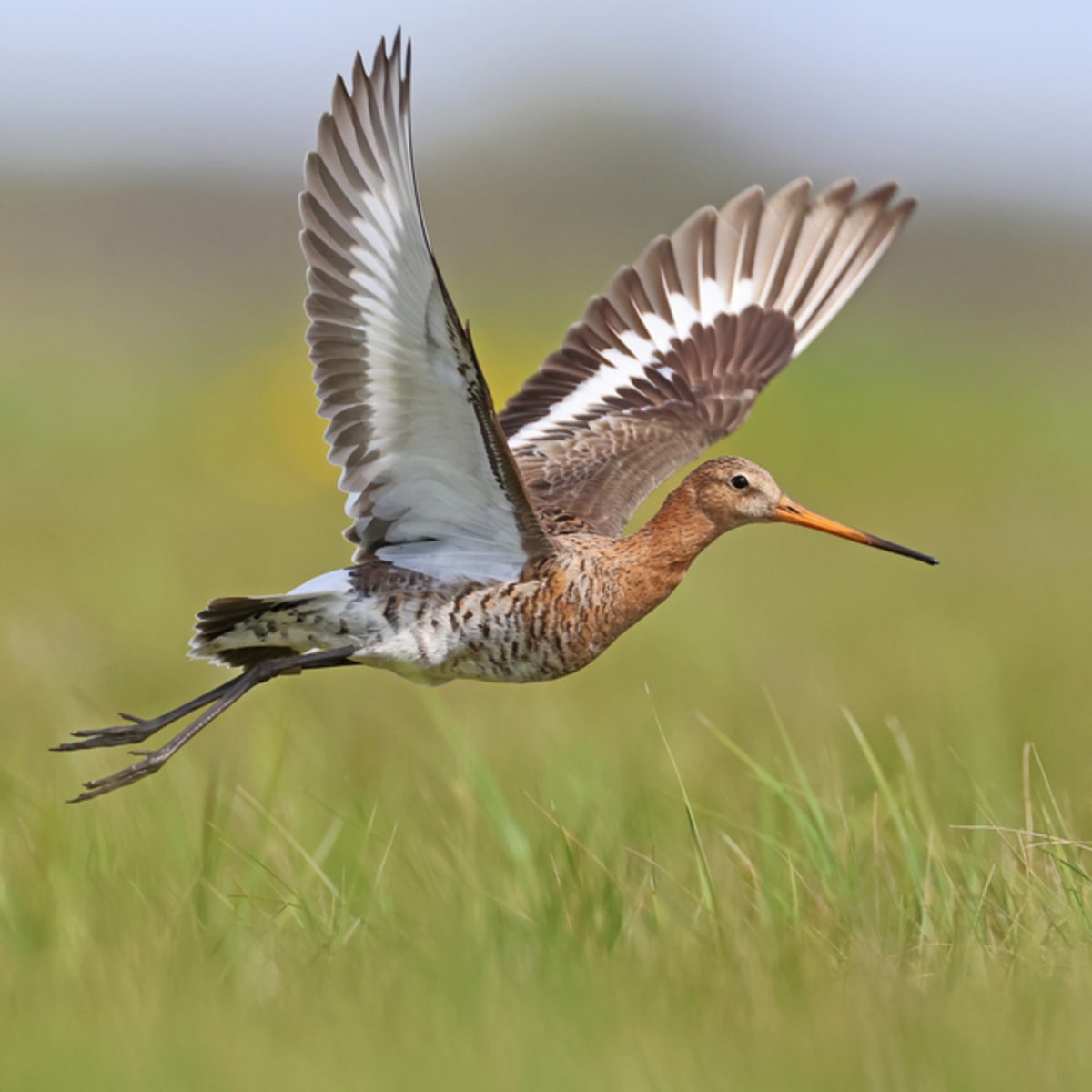
The black-tailed godwit (Limosa limosa) is a large, long-legged, long-billed shorebird first described by Carl Linnaeus in 1758. It is a member of the Limosa genus, the godwits. There are three subspecies, all with orange head, neck and chest in breeding plumage and dull grey-brown winter coloration, and distinctive black and white wingbar at all times.
Verblijven die iets teruggeven
Waar te verblijven voor een kans om de Black-tailed Godwit te zien
Elk verblijf op de pagina over de Black-tailed Godwit vermeldt de soorten die de verhuurder op of bij het terrein heeft vastgelegd. Een vastlegging is een waarneming, nooit een belofte.
Bekijk waar te verblijven