Dove vederlo
Dove vedere il Wild Pear in Sudafrica
Gli host hanno segnalato questa specie (Wild Pear) in strutture dentro o accanto a Kruger National Park, Hluhluwe-Imfolozi Park and Welgevonden Game Reserve.
Dombeya rotundifolia
Pianificare un viaggio
Quando e dove trovarlo: Wild Pear
Gli host hanno segnalato questa specie (Wild Pear) in strutture dentro o accanto a Kruger National Park, Hluhluwe-Imfolozi Park and Welgevonden Game Reserve.
Specie
Dombeya rotundifolia
Segnalazioni
2,766
Osservazioni su iNaturalist
Ogni prenotazione su Spekboom sostiene la conservazione.
Le domande dei viaggiatori
Una segnalazione significa che un host ha visto questa specie (Wild Pear) nella struttura o nei dintorni. Non è mai una garanzia di avvistamento.
Which parks and reserves are best for the Wild Pear in South Africa?
Hosts on Spekboom have recorded the Wild Pear at stays in or beside Kruger National Park, Hluhluwe-Imfolozi Park, Welgevonden Game Reserve, Ithala Game Reserve and Vernon Crookes Nature Reserve. A record means a host has seen it on the property or nearby, which makes these the places to base yourself; it is never a guarantee of a sighting on any given day.
Where can you see the Wild Pear in South Africa?
The Wild Pear is most recorded in Gauteng (46% of records), Limpopo (20% of records), North West (16% of records), based on 2,766 iNaturalist observations. 14 places to stay on Spekboom in South Africa have recorded the Wild Pear on site or nearby.
When is the best time to see the Wild Pear?
The Wild Pear is recorded throughout the year, so no month is the wrong month to look for it. For the parks where hosts record it most, these are the best seasons they give. Kruger National Park: Apr-Sep; Hluhluwe-Imfolozi Park: year-round, dry season May-Sep; Welgevonden Game Reserve: May-Sep, dry season; Ithala Game Reserve: year-round, dry season May-Sep. In the dry months animals concentrate at water and the grass is short.
What is the Wild Pear?
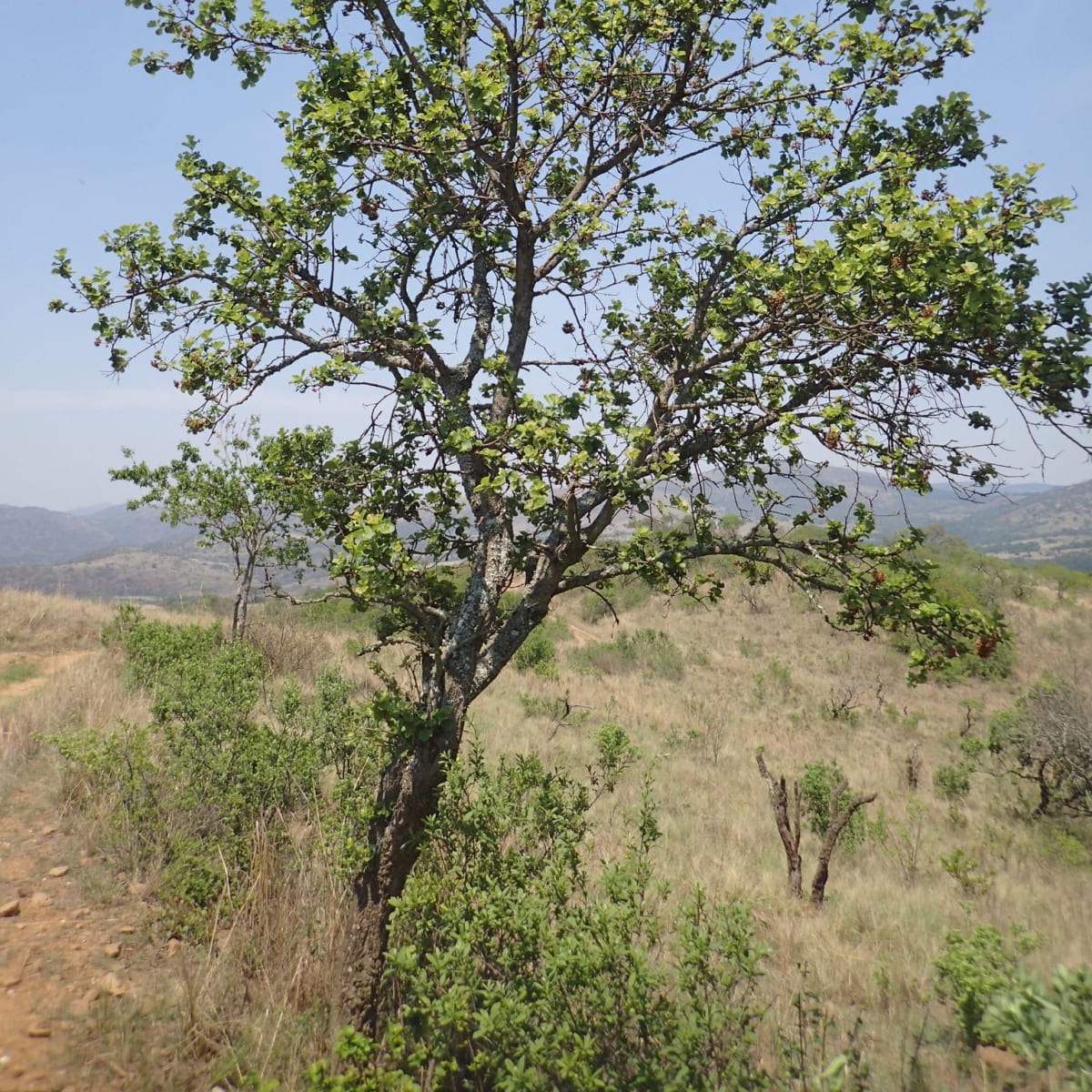
Dombeya rotundifolia, Dikbas or "South African wild pear" (it is not related to pear trees), is a small deciduous tree with dark grey to blackish deeply fissured bark, found in Southern Africa and northwards to central and eastern tropical Africa. Formerly placed in the Sterculiaceae, that artificial group has now been abandoned by most authors and the plants are part of an enlarged Malvaceae.
Strutture che sostengono una causa
Dove soggiornare per avere la possibilità di vedere il Wild Pear
Ogni soggiorno nella pagina del Wild Pear elenca le specie che l’host ha registrato nella struttura o nelle vicinanze. Una registrazione è un avvistamento, mai una promessa.
Vedi dove soggiornare