Dove vederlo
Dove vedere il Lesser Black-backed Gull in Sudafrica
Gli host hanno segnalato questa specie (Lesser Black-backed Gull) in strutture dentro o accanto a Kruger National Park.
Larus fuscus · Least Concern
Pianificare un viaggio
Quando e dove trovarlo: Lesser Black-backed Gull
Gli host hanno segnalato questa specie (Lesser Black-backed Gull) in strutture dentro o accanto a Kruger National Park.
Le ore migliori della giornata
- Le prime ore dopo l’alba e il tardo pomeriggio. Gli uccelli cantano e si nutrono soprattutto nelle ore fresche.
- Mezzogiorno. Più silenzioso, soprattutto nel caldo estivo.
Modi di osservare
Guidare in autonomia
Il Suo veicolo e il Suo ritmo, sulle strade del parco.
Dove lo segnalano gli host
Lista Rossa IUCN
Least Concern
Specie
Larus fuscus
Segnalazioni
14
Osservazioni su iNaturalist
Ogni prenotazione su Spekboom sostiene la conservazione.
Le domande dei viaggiatori
Una segnalazione significa che un host ha visto questa specie (Lesser Black-backed Gull) nella struttura o nei dintorni. Non è mai una garanzia di avvistamento.
Which parks and reserves are best for the Lesser Black-backed Gull in South Africa?
Hosts on Spekboom have recorded the Lesser Black-backed Gull at stays in or beside Kruger National Park. A record means a host has seen it on the property or nearby, which makes these the places to base yourself; it is never a guarantee of a sighting on any given day.
Where can you see the Lesser Black-backed Gull in South Africa?
The Lesser Black-backed Gull is most recorded in Eastern Cape (36% of records), Mpumalanga (21% of records), North West (21% of records), based on 14 iNaturalist observations. 41 places to stay on Spekboom in South Africa have recorded the Lesser Black-backed Gull on site or nearby.
What is the conservation status of the Lesser Black-backed Gull?
The Lesser Black-backed Gull (Larus fuscus) is listed as Least Concern on the IUCN Red List.
What is the Lesser Black-backed Gull?
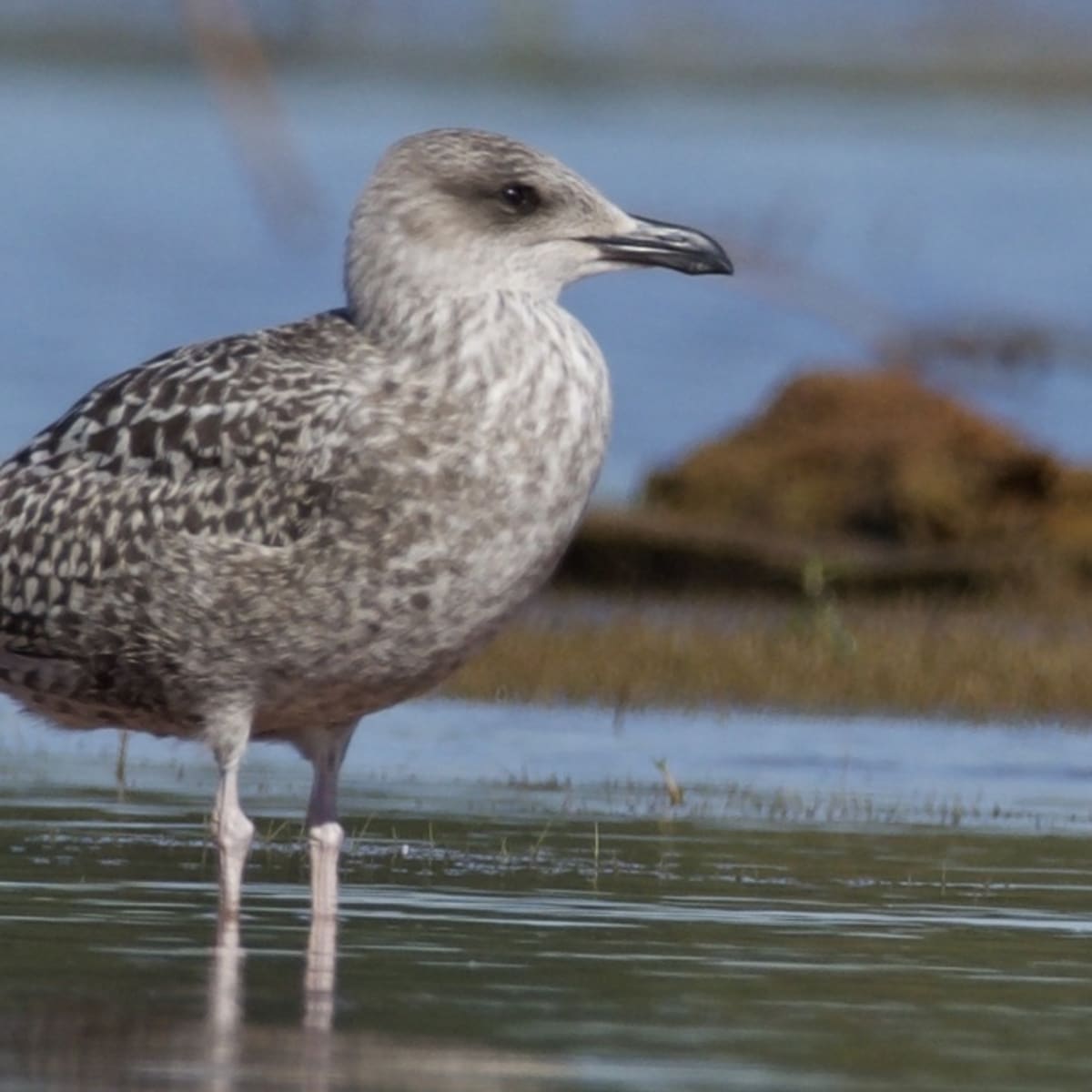
The lesser black-backed gull (Larus fuscus) is a large gull that breeds on the Atlantic coasts of Europe. It is migratory, wintering from the British Isles south to West Africa. It is a regular winter visitor to the east coast of North America, probably from the breeding population in Iceland.
Strutture che sostengono una causa
Dove soggiornare per avere la possibilità di vedere il Lesser Black-backed Gull
Ogni soggiorno nella pagina del Lesser Black-backed Gull elenca le specie che l’host ha registrato nella struttura o nelle vicinanze. Una registrazione è un avvistamento, mai una promessa.
Vedi dove soggiornare