Beobachtungsorte
Wo man den Weeping Boer-bean in Südafrika sieht
Gastgeber haben die Art Weeping Boer-bean in oder bei Kruger National Park, Hluhluwe-Imfolozi Park and Sabi Sand Game Reserve erfasst.
Schotia brachypetala
Eine Reise planen
Weeping Boer-bean: wann und wo Sie die Art sehen
Gastgeber haben die Art Weeping Boer-bean in oder bei Kruger National Park, Hluhluwe-Imfolozi Park and Sabi Sand Game Reserve erfasst.
Art
Schotia brachypetala
Nachweise
972
iNaturalist-Beobachtungen
Jede Buchung auf Spekboom unterstützt den Naturschutz.
Häufige Fragen von Reisenden
Ein Nachweis bedeutet, dass ein Gastgeber die Art Weeping Boer-bean auf dem Grundstück oder in der Nähe gesehen hat. Eine Sichtung ist nie garantiert.
Which parks and reserves are best for the Weeping Boer-bean in South Africa?
Hosts on Spekboom have recorded the Weeping Boer-bean at stays in or beside Kruger National Park, Hluhluwe-Imfolozi Park, Sabi Sand Game Reserve and Weenen Game Reserve. A record means a host has seen it on the property or nearby, which makes these the places to base yourself; it is never a guarantee of a sighting on any given day.
Where can you see the Weeping Boer-bean in South Africa?
The Weeping Boer-bean is most recorded in KwaZulu-Natal (33% of records), Limpopo (30% of records), Mpumalanga (28% of records), based on 972 iNaturalist observations. 13 places to stay on Spekboom in South Africa have recorded the Weeping Boer-bean on site or nearby.
When is the best time to see the Weeping Boer-bean?
Sightings of the Weeping Boer-bean peak from Sep to Oct, based on 972 iNaturalist records. You may still see it outside those months, sightings are just less frequent.
What is the Weeping Boer-bean?
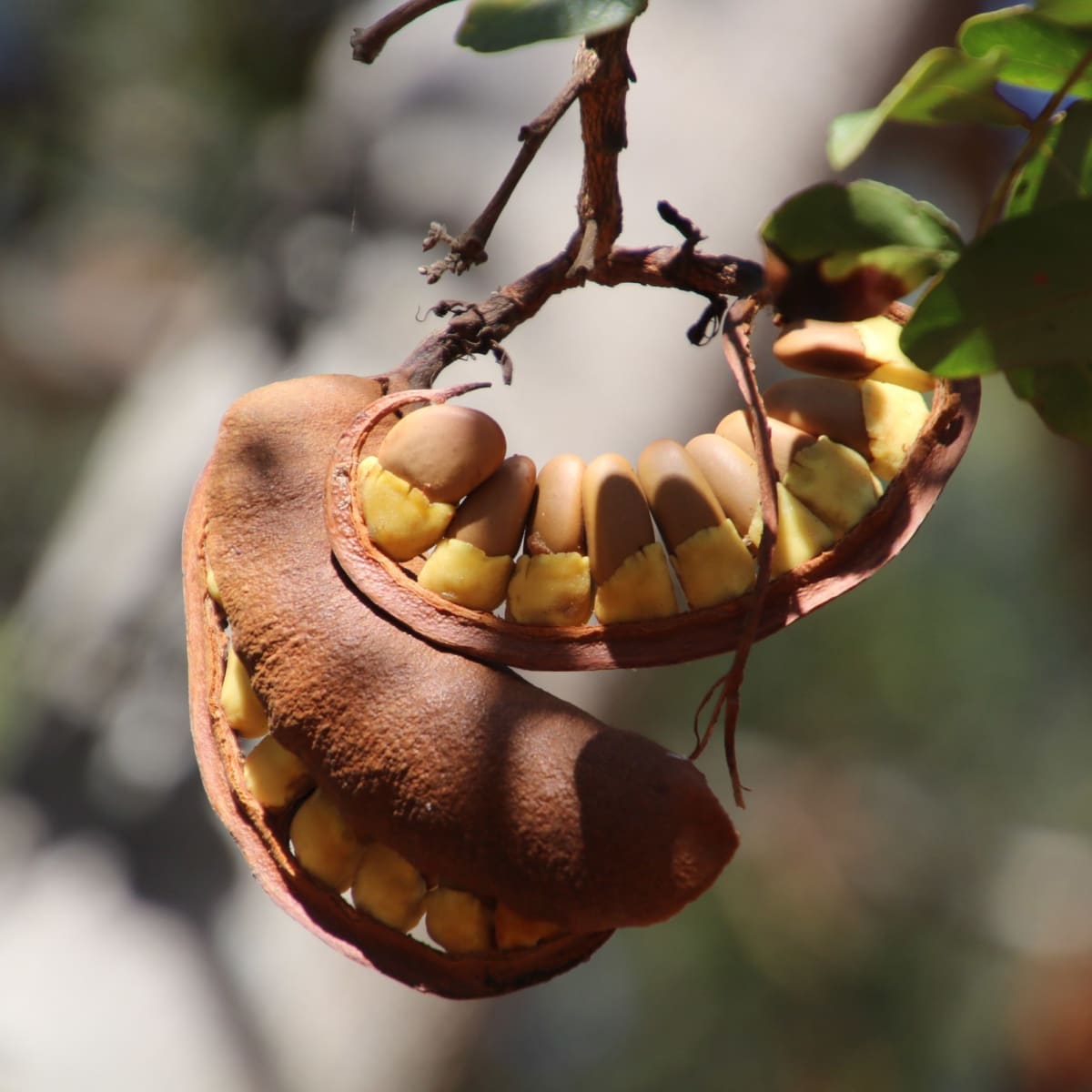
Schotia brachypetala or weeping boer-bean is a leguminous flowering tree in the family Fabaceae (bean family/pod-bearing family/legumes) and the subfamily Detarioideae. The woodland tree is native to Africa south of the Zambezi River, where it occurs at middle altitudes. It is well-suited as shade or ornamental tree in warmer regions, and is consequently widely cultivated in gardens and parks.
Unterkünfte, die etwas zurückgeben
Wo übernachten, um den Weeping Boer-bean zu sehen
Jede Unterkunft auf der Seite zum Weeping Boer-bean nennt die Arten, die der Gastgeber auf oder nahe dem Grundstück erfasst hat. Eine Erfassung ist eine Sichtung, nie ein Versprechen.
Unterkünfte ansehen