Beobachtungsorte
Wo man den White-tailed Shrike in Südafrika sieht
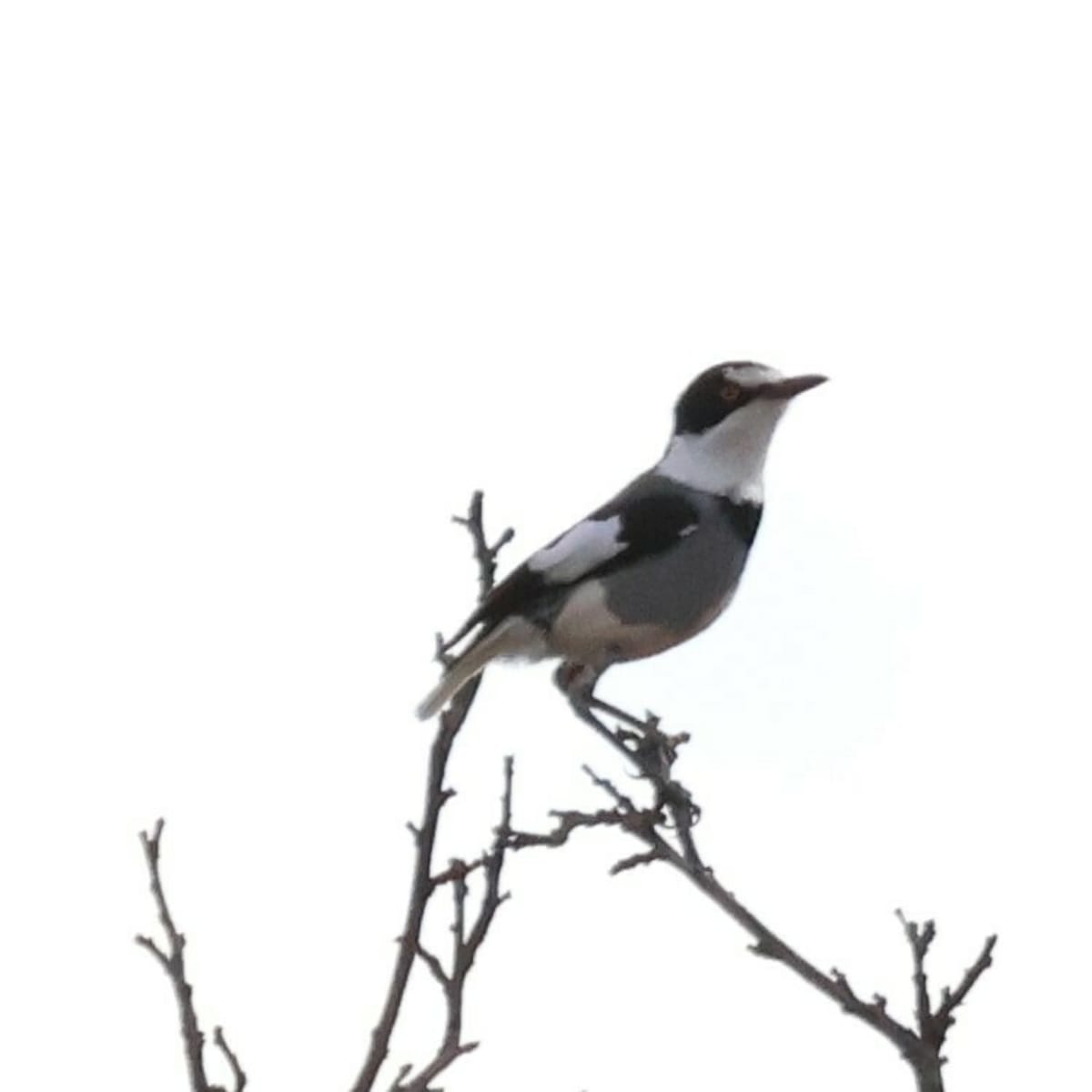
The white-tailed shrike (Lanioturdus torquatus) is a small passerine bird from the family Platysteiridae.
Lanioturdus torquatus · Least Concern
Eine Reise planen
White-tailed Shrike: wann und wo Sie die Art sehen
Beste Tageszeiten
- Die ersten Stunden nach Sonnenaufgang und der späte Nachmittag. Vögel rufen und fressen am meisten in der Kühle.
- Mittags. Ruhiger, besonders in der Sommerhitze.
Rote Liste der IUCN
Least Concern
Art
Lanioturdus torquatus
Jede Buchung auf Spekboom unterstützt den Naturschutz.
Häufige Fragen von Reisenden
Ein Nachweis bedeutet, dass ein Gastgeber die Art White-tailed Shrike auf dem Grundstück oder in der Nähe gesehen hat. Eine Sichtung ist nie garantiert.
When is the best time to see the White-tailed Shrike?
The White-tailed Shrike is recorded throughout the year, so no month is the wrong month to look for it.
What is the conservation status of the White-tailed Shrike?
The White-tailed Shrike (Lanioturdus torquatus) is listed as Least Concern on the IUCN Red List.
What is the White-tailed Shrike?
The white-tailed shrike (Lanioturdus torquatus) is a small passerine bird from the family Platysteiridae. It is also commonly known as the chatshrike. It occurs only in western Angola and Namibia in thorn scrub. It forages from ground level, where it hops about in large bounds and upright posture, to 25m above ground, scanning for insects.
Unterkünfte, die etwas zurückgeben
Wo übernachten, um den White-tailed Shrike zu sehen
Jede Unterkunft auf der Seite zum White-tailed Shrike nennt die Arten, die der Gastgeber auf oder nahe dem Grundstück erfasst hat. Eine Erfassung ist eine Sichtung, nie ein Versprechen.
Unterkünfte ansehen