Beobachtungsorte
Wo man den Bradfield's Hornbill in Südafrika sieht
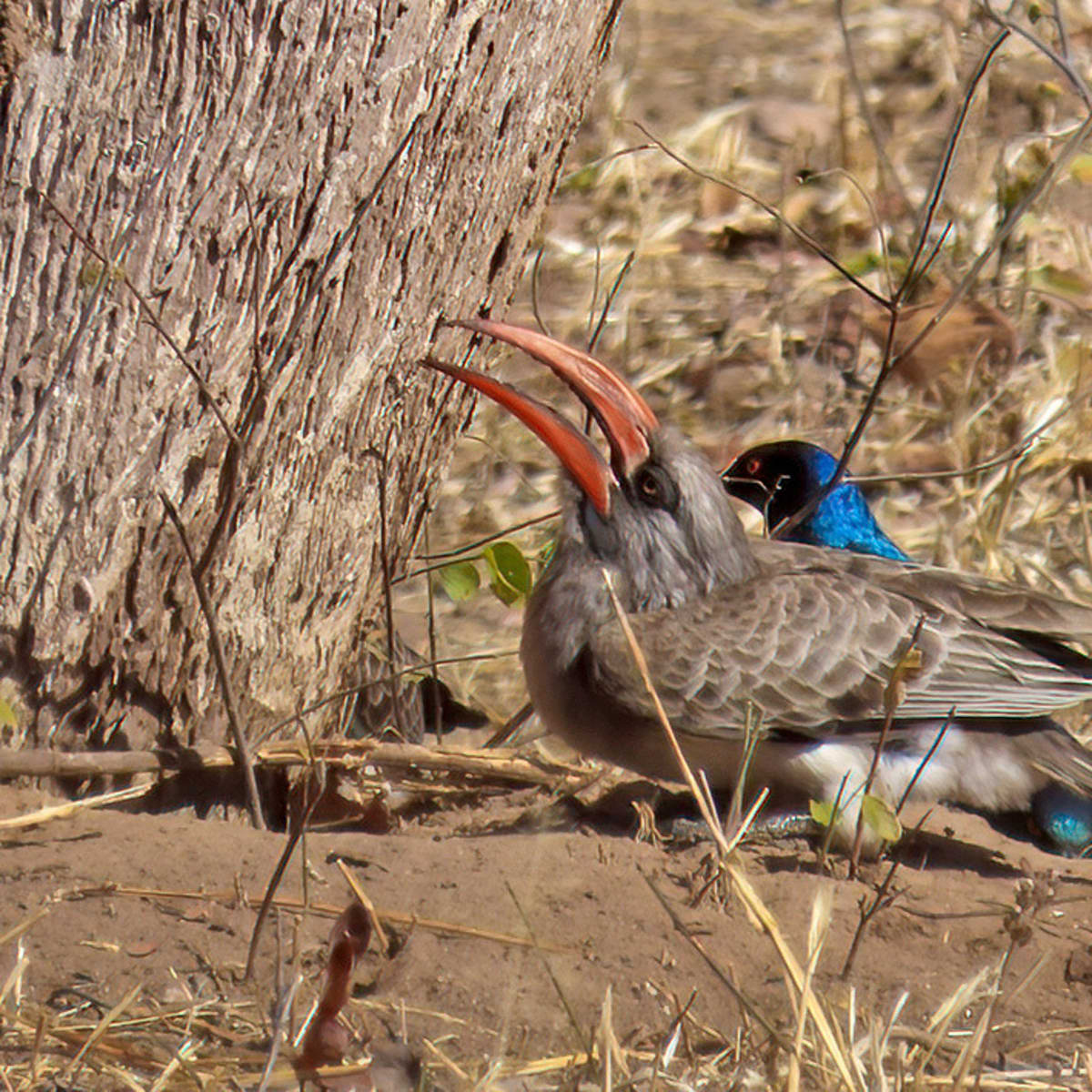
The Bradfield's hornbill (Lophoceros bradfieldi) is an African hornbill.
Lophoceros bradfieldi · Least Concern
Eine Reise planen
Bradfield's Hornbill: wann und wo Sie die Art sehen
Beste Tageszeiten
- Die ersten Stunden nach Sonnenaufgang und der späte Nachmittag. Vögel rufen und fressen am meisten in der Kühle.
- Mittags. Ruhiger, besonders in der Sommerhitze.
Rote Liste der IUCN
Least Concern
Art
Lophoceros bradfieldi
Jede Buchung auf Spekboom unterstützt den Naturschutz.
Häufige Fragen von Reisenden
Ein Nachweis bedeutet, dass ein Gastgeber die Art Bradfield's Hornbill auf dem Grundstück oder in der Nähe gesehen hat. Eine Sichtung ist nie garantiert.
When is the best time to see the Bradfield's Hornbill?
Sightings of the Bradfield's Hornbill peak from Aug to Nov, based on 66 iNaturalist records. You may still see it outside those months, sightings are just less frequent.
What is the conservation status of the Bradfield's Hornbill?
The Bradfield's Hornbill (Lophoceros bradfieldi) is listed as Least Concern on the IUCN Red List.
What is the Bradfield's Hornbill?
The Bradfield's hornbill (Lophoceros bradfieldi) is an African hornbill. It is a medium-sized bird, 50, 57 centimetres (20, 22 in) in length, characterized by black back and wings and a white belly. The tip feathers of the long tail are white. Females are smaller than males and can be recognized by turquoise facial skin. The eyes are yellow and the beak is red.
Unterkünfte, die etwas zurückgeben
Wo übernachten, um den Bradfield's Hornbill zu sehen
Jede Unterkunft auf der Seite zum Bradfield's Hornbill nennt die Arten, die der Gastgeber auf oder nahe dem Grundstück erfasst hat. Eine Erfassung ist eine Sichtung, nie ein Versprechen.
Unterkünfte ansehen