Beobachtungsorte
Wo man den Black-tailed Godwit in Südafrika sieht
Gastgeber haben die Art Black-tailed Godwit in oder bei West Coast National Park erfasst.
Limosa limosa · Near Threatened
Eine Reise planen
Black-tailed Godwit: wann und wo Sie die Art sehen
Gastgeber haben die Art Black-tailed Godwit in oder bei West Coast National Park erfasst.
Beste Tageszeiten
- Die ersten Stunden nach Sonnenaufgang und der späte Nachmittag. Vögel rufen und fressen am meisten in der Kühle.
- Mittags. Ruhiger, besonders in der Sommerhitze.
Möglichkeiten der Beobachtung
Selbst fahren
Eigenes Fahrzeug, eigenes Tempo, auf den Straßen des Parks.
Wo Gastgeber die Art erfassen
Rote Liste der IUCN
Near Threatened
Art
Limosa limosa
Nachweise
8
iNaturalist-Beobachtungen
Jede Buchung auf Spekboom unterstützt den Naturschutz.
Häufige Fragen von Reisenden
Ein Nachweis bedeutet, dass ein Gastgeber die Art Black-tailed Godwit auf dem Grundstück oder in der Nähe gesehen hat. Eine Sichtung ist nie garantiert.
Which parks and reserves are best for the Black-tailed Godwit in South Africa?
Hosts on Spekboom have recorded the Black-tailed Godwit at stays in or beside West Coast National Park. A record means a host has seen it on the property or nearby, which makes these the places to base yourself; it is never a guarantee of a sighting on any given day.
Where can you see the Black-tailed Godwit in South Africa?
The Black-tailed Godwit is most recorded in KwaZulu-Natal (38% of records), Gauteng (25% of records), Mpumalanga (25% of records), based on 8 iNaturalist observations. 2 places to stay on Spekboom in South Africa have recorded the Black-tailed Godwit on site or nearby.
What is the conservation status of the Black-tailed Godwit?
The Black-tailed Godwit (Limosa limosa) is listed as Near Threatened on the IUCN Red List.
What is the Black-tailed Godwit?
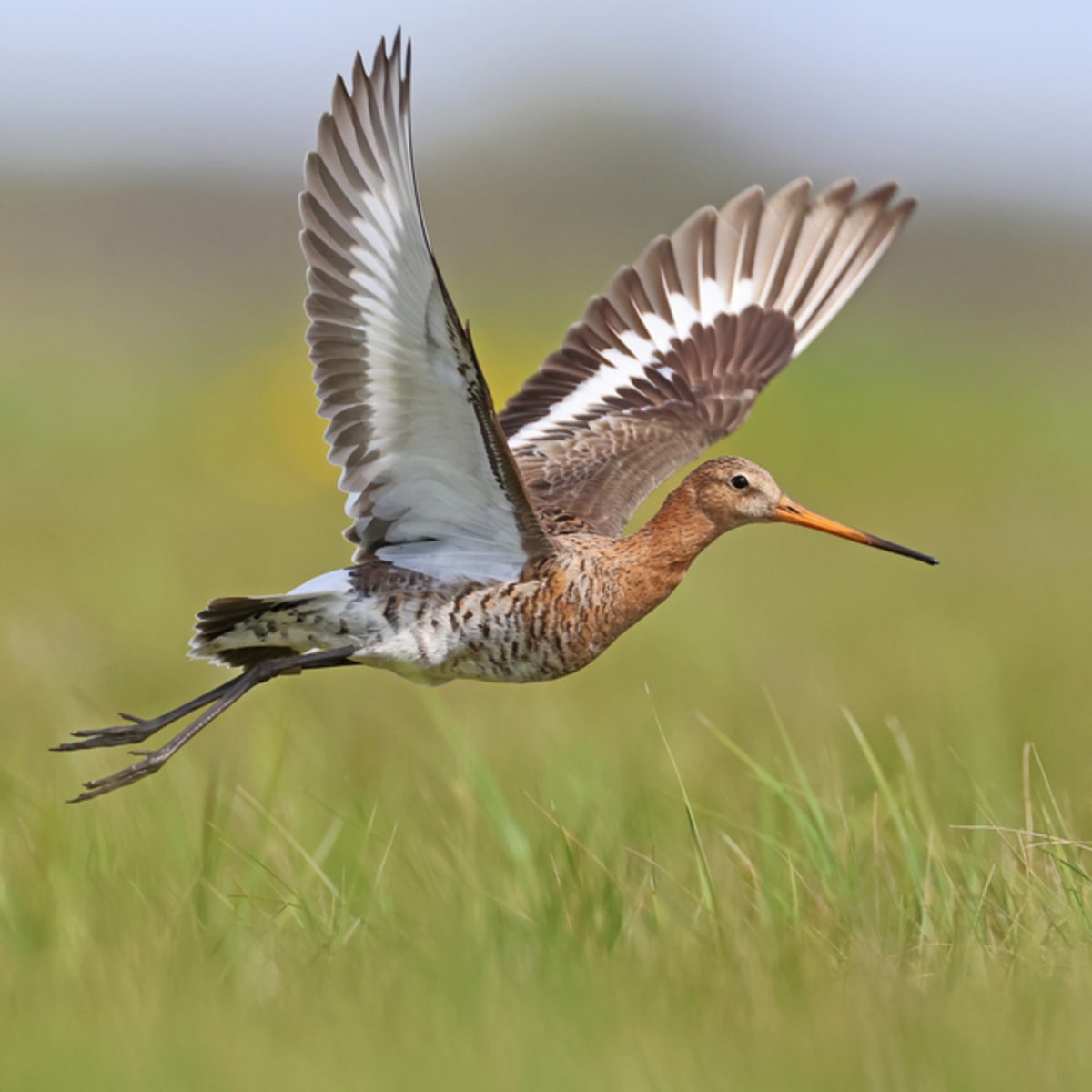
The black-tailed godwit (Limosa limosa) is a large, long-legged, long-billed shorebird first described by Carl Linnaeus in 1758. It is a member of the Limosa genus, the godwits. There are three subspecies, all with orange head, neck and chest in breeding plumage and dull grey-brown winter coloration, and distinctive black and white wingbar at all times.
Unterkünfte, die etwas zurückgeben
Wo übernachten, um den Black-tailed Godwit zu sehen
Jede Unterkunft auf der Seite zum Black-tailed Godwit nennt die Arten, die der Gastgeber auf oder nahe dem Grundstück erfasst hat. Eine Erfassung ist eine Sichtung, nie ein Versprechen.
Unterkünfte ansehen