Waar om te sien
Waar om die Camel Thorn Acacia in Suid-Afrika te sien
Gashere het die Camel Thorn gesien by verblyfplekke in of langs Kgalagadi Transfrontier Park, Marakele National Park and Mokala National Park.
Vachellia erioloba
Beplan ’n reis
Wanneer en waar om die Camel Thorn te vind
Gashere het die Camel Thorn gesien by verblyfplekke in of langs Kgalagadi Transfrontier Park, Marakele National Park and Mokala National Park.
Spesie
Vachellia erioloba
Waarnemings
1,511
iNaturalist-waarnemings
Elke bespreking op Spekboom ondersteun bewaring.
Vrae wat reisigers vra
’n Waarneming beteken dat ’n gasheer die Camel Thorn op die eiendom of naby gesien het. Dit waarborg nooit dat jy dit sal sien nie.
Which parks and reserves are best for the Camel Thorn in South Africa?
Hosts on Spekboom have recorded the Camel Thorn at stays in or beside Kgalagadi Transfrontier Park, Marakele National Park and Mokala National Park. A record means a host has seen it on the property or nearby, which makes these the places to base yourself; it is never a guarantee of a sighting on any given day.
Where can you see the Camel Thorn in South Africa?
The Camel Thorn is most recorded in Northern Cape (71% of records), North West (16% of records), Limpopo (7% of records), based on 1,511 iNaturalist observations. 10 places to stay on Spekboom in South Africa have recorded the Camel Thorn on site or nearby.
When is the best time to see the Camel Thorn?
Sightings of the Camel Thorn peak from Jul to Aug, based on 1,514 iNaturalist records. You may still see it outside those months, sightings are just less frequent.
What is the Camel Thorn?
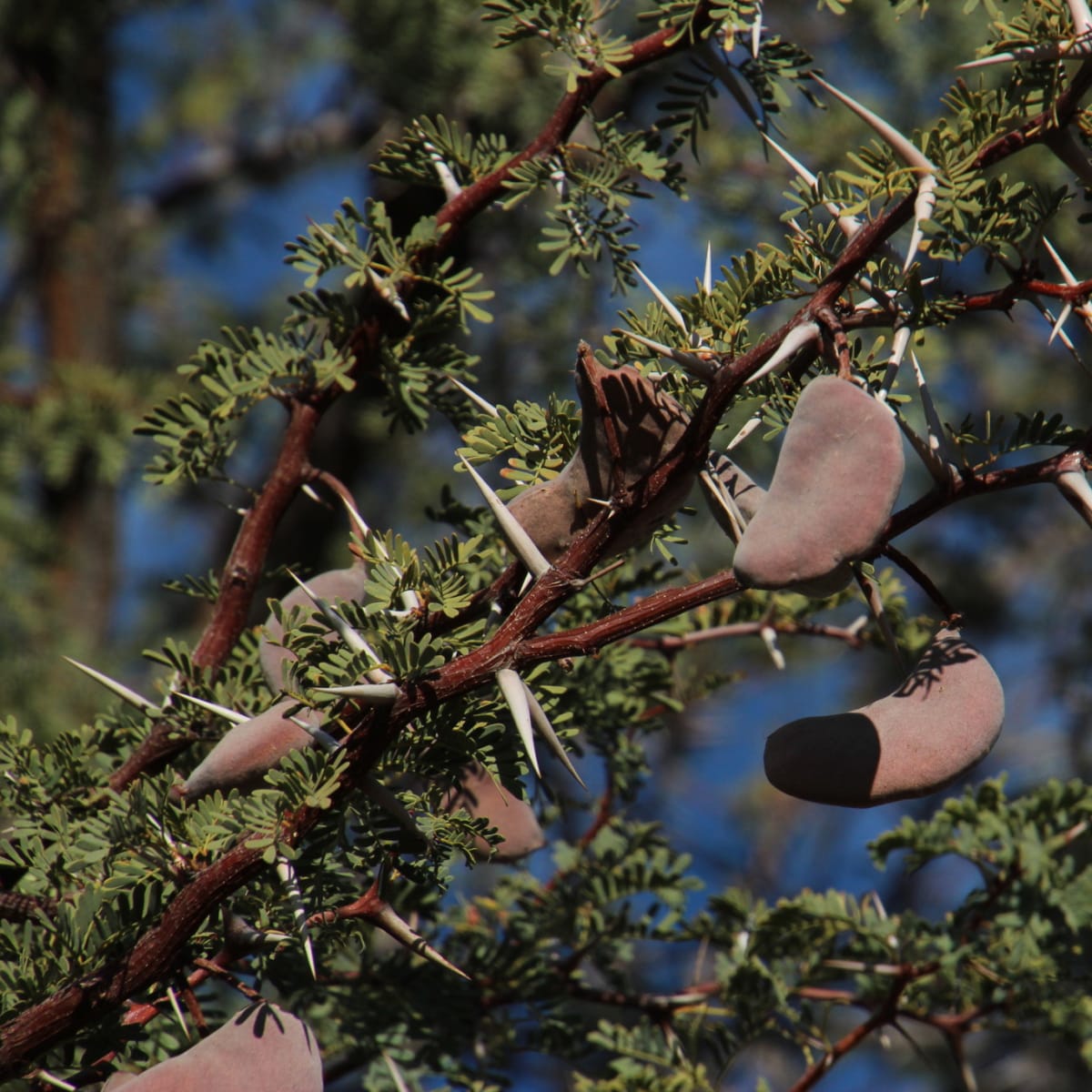
Vachellia erioloba (camel thorn, giraffe thorn) is a tree of southern Africa in the family Fabaceae. Its preferred habitat is the deep dry sandy soils in parts of South Africa, Botswana, the western areas of Zimbabwe and Namibia. It is also native to Angola, south-west Mozambique, Zambia and Swaziland. The tree was first described by Ernst Heinrich Friedrich Meyer and Johann Franz Drège in 1836.
Verblyf wat teruggee
Waar om te bly vir ’n kans om die Camel Thorn te sien
Elke verblyf op die Camel Thorn-bladsy lys die spesies wat die gasheer op of naby die eiendom aangeteken het. ’n Aantekening is ’n waarneming, nooit ’n belofte nie.
Kyk waar om te bly