Waar om te sien
Waar om die Mosque Swallow in Suid-Afrika te sien
Gashere het die Mosque Swallow gesien by verblyfplekke in of langs Kruger National Park.
Cecropis senegalensis · Least Concern
Beplan ’n reis
Wanneer en waar om die Mosque Swallow te vind
Gashere het die Mosque Swallow gesien by verblyfplekke in of langs Kruger National Park.
Beste tye van die dag
- Die eerste ure ná sonop, en laatmiddag. Voëls roep en vreet meestal in die koelte.
- Middaguur. Stiller, veral in die somerhitte.
Hoe om te kyk
Ry self
Jou eie voertuig en pas, op die park se paaie.
Waar gashere dit aanteken
IUBN Rooi Lys
Least Concern
Spesie
Cecropis senegalensis
Waarnemings
129
iNaturalist-waarnemings
Elke bespreking op Spekboom ondersteun bewaring.
Vrae wat reisigers vra
’n Waarneming beteken dat ’n gasheer die Mosque Swallow op die eiendom of naby gesien het. Dit waarborg nooit dat jy dit sal sien nie.
Which parks and reserves are best for the Mosque Swallow in South Africa?
Hosts on Spekboom have recorded the Mosque Swallow at stays in or beside Kruger National Park. A record means a host has seen it on the property or nearby, which makes these the places to base yourself; it is never a guarantee of a sighting on any given day.
Where can you see the Mosque Swallow in South Africa?
The Mosque Swallow is most recorded in Limpopo (60% of records), Mpumalanga (40% of records), based on 129 iNaturalist observations. 41 places to stay on Spekboom in South Africa have recorded the Mosque Swallow on site or nearby.
When is the best time to see the Mosque Swallow?
The Mosque Swallow is recorded throughout the year, so no month is the wrong month to look for it. For the parks where hosts record it most, these are the best seasons they give. Kruger National Park: Apr-Sep. In the dry months animals concentrate at water and the grass is short.
What is the conservation status of the Mosque Swallow?
The Mosque Swallow (Cecropis senegalensis) is listed as Least Concern on the IUCN Red List.
What is the Mosque Swallow?
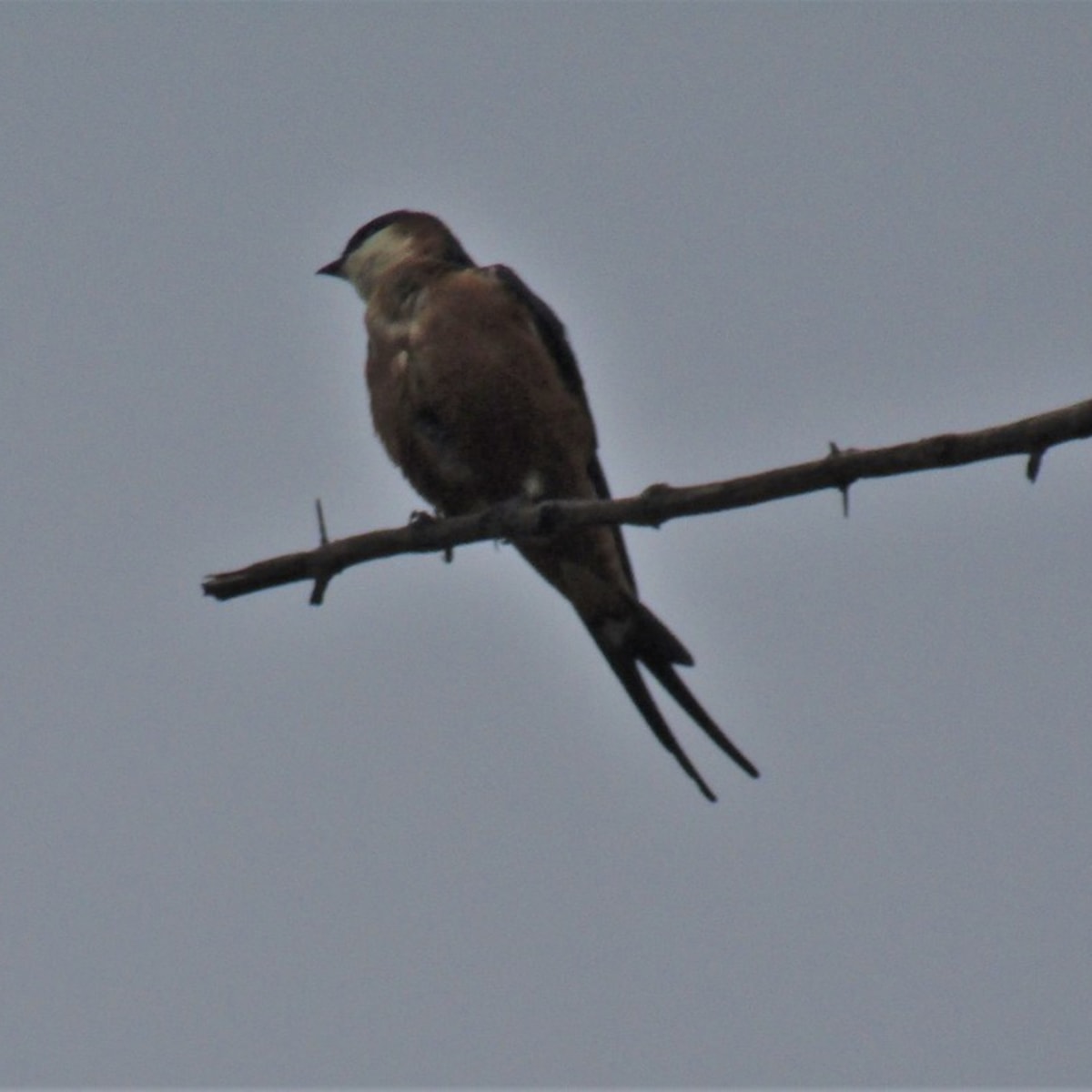
The mosque swallow (Cecropis senegalensis), is a large swallow. It is a resident breeder in much of Sub-Saharan Africa, although most common in the west. It does not migrate, but will follow the rains to some extent.
Verblyf wat teruggee
Waar om te bly vir ’n kans om die Mosque Swallow te sien
Elke verblyf op die Mosque Swallow-bladsy lys die spesies wat die gasheer op of naby die eiendom aangeteken het. ’n Aantekening is ’n waarneming, nooit ’n belofte nie.
Kyk waar om te bly